
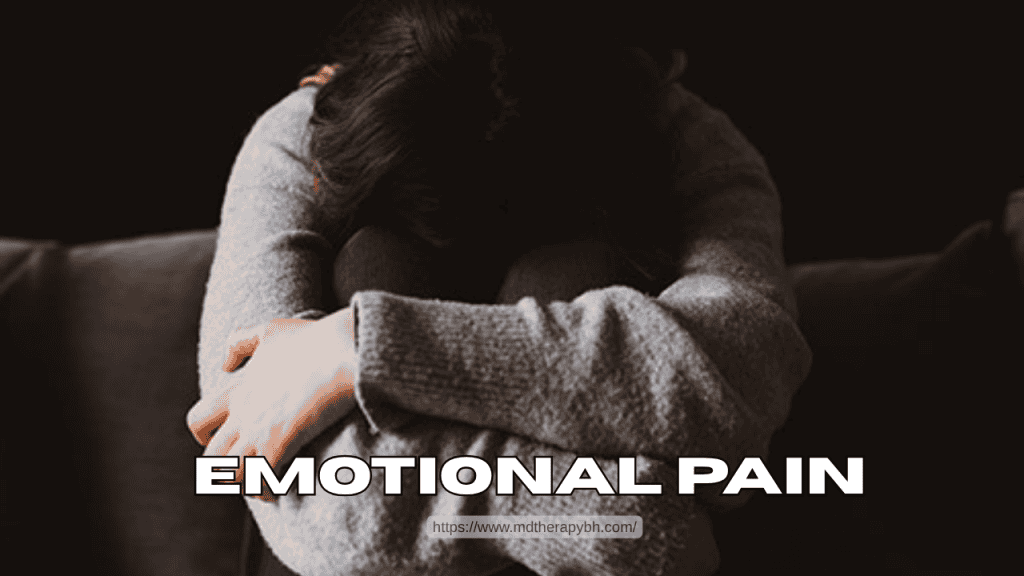
Understanding How the Body Holds Emotional Pain
Healing from addiction or emotional trauma is not only a mental process. The body plays a central role in recovery. Long after a painful experience ends, the body can continue to carry its effects through tension, illness, or emotional reactivity. This is because trauma and stress are stored in the nervous system, creating patterns that influence behavior, mood, and even physical health. At MD Therapy, we understand that healing the emotional self begins by working with the body, not against it. Our holistic and faith-based approach helps clients reconnect, release, and rebuild from the inside out.
The Science Behind the Mind-Body Connection
How the Body Stores Stress and Trauma
When someone experiences trauma, the brain activates the body’s fight, flight, or freeze response. If this stress response never fully resolves, it can remain “stuck” in the body. This can manifest as anxiety, chronic pain, fatigue, or emotional numbness. Through somatic and holistic therapies, clients learn to gently release this stored energy and reestablish a sense of safety within themselves.
The Role of the Nervous System in Recovery
The nervous system influences how we process emotions, manage cravings, and respond to stress. Holistic therapies such as deep breathing, movement, and mindfulness help regulate the nervous system, allowing the body and mind to work together in healing. As the body calms, emotional clarity and resilience naturally increase.
Holistic Methods That Support Emotional Healing
Mindfulness and Meditation
Mindfulness helps individuals become aware of their inner experience without judgment. Through guided meditation and breathing techniques, clients learn to observe emotions rather than be overwhelmed by them. Over time, mindfulness rewires the brain for calm, focus, and self-compassion.
Movement and Somatic Therapy
The body is often the key to releasing emotional pain. Somatic therapy, yoga, and gentle exercise help clients reconnect with their physical selves and let go of stored tension. Movement restores balance, promotes relaxation, and helps rebuild trust in one’s body after trauma or addiction.
Faith-Based and Spiritual Practices
For many, spiritual healing plays an essential role in emotional recovery. Faith-based practices such as prayer, reflection, or gratitude exercises offer hope and meaning. At MD Therapy, we integrate spirituality into treatment for those who find strength and peace through their faith.
Individualized Care for Whole-Person Healing
No two recovery journeys are alike. That is why MD Therapy creates customized treatment plans that address every aspect of a person’s well-being. Whether someone is seeking inpatient or outpatient care, we combine evidence-based therapies with holistic healing to ensure each client receives the support they need physically, emotionally, and spiritually.
Moving Forward with Compassion and Strength
Emotional healing is a journey of reconnection—learning to listen to the body’s signals and care for the self with compassion. When the body heals, the mind follows. Holistic approaches help individuals not only overcome emotional pain but also rediscover peace, confidence, and purpose.
Take the Next Step Toward Healing
If you or someone you love is struggling with addiction, trauma, or emotional pain, know that healing is possible. At MD Therapy, our compassionate team is here to help you restore balance through holistic, faith-based, and personalized care.
Contact us today to begin your journey toward emotional freedom and whole-person recovery.